Getting Wet Room Substrates Right the First Time

A successful wet room installation begins with choosing the correct substrate materials. Because wet rooms are exposed to constant moisture, the foundation must be durable, stable, and resistant to water damage. Selecting the right substrate helps prevent future issues such as leaks, mould growth, and structural deterioration. Whether you are renovating a home or working on a new build, investing in the correct materials from the start ensures your wet room remains safe, attractive, and easy to maintain for years. A solid substrate creates the stability every tiled surface depends on.

The Hidden Problem with Standard Plasterboard in Wet Areas

Many bathroom problems begin beneath the tiles rather than on the surface. Loose tiles, cracked grout, mould, and water damage are often signs that an unsuitable substrate was used during installation.

Standard plasterboard is designed for dry interior spaces and cannot withstand prolonged exposure to water. Even if tiles are securely fixed, moisture can gradually penetrate grout joints and reach the board beneath. Once damp, plasterboard begins to soften, swell, and lose its structural strength. This allows water to spread behind the tiled surface, potentially damaging timber framing, flooring, insulation, and surrounding finishes.

Although moisture-resistant plasterboard performs better in humid rooms, it is not intended for continuously wet environments such as shower enclosures or wet rooms. Relying on it in these areas often leads to costly repairs later.

Using the correct substrate from the outset provides a far more dependable solution and significantly reduces the risk of future moisture-related failures.

Why the Substrate Matters More Than the Tiles

Many homeowners spend considerable time selecting premium tiles but pay little attention to what lies underneath. In reality, the substrate is one of the most important parts of the entire installation.

Tiles, regardless of their quality, require a stable and rigid base. If the substrate flexes, absorbs moisture, or deteriorates over time, the adhesive bond weakens and tiles may crack or become loose. Grout lines can also fail, allowing even more water to penetrate the installation.

A properly prepared substrate supports the tiled finish by providing strength, stability, and a level surface for installation. It also improves the performance of waterproof membranes and tile adhesives, helping every layer work together effectively.

Investing in the foundation rather than focusing solely on decorative finishes ensures the bathroom remains durable long after the installation has been completed.

Why Cement Boards Are the Preferred Choice

Professional installers regularly specify cement boards because they are specifically designed for wet environments. Unlike plasterboard, they do not soften, swell, or deteriorate when exposed to moisture.

Manufactured from cement-based materials, these boards remain dimensionally stable even in areas subjected to regular splashing, steam, and continuous humidity. Their strength makes them suitable for shower enclosures, wet rooms, bathrooms, utility rooms, and other moisture-prone spaces.

Another advantage of cement boards is their compatibility with modern tile adhesives and waterproof tanking systems. Once installed correctly, they provide a secure surface that supports the tiled finish for many years without compromising structural integrity.

Additional benefits include:

  • Excellent resistance to moisture
  • Strong load-bearing performance
  • Reduced movement beneath tiles
  • Long-lasting durability
  • Easy compatibility with waterproof membranes
  • Suitable for both domestic and commercial projects

Although they may cost more than traditional plasterboard, the long-term protection they provide makes them a worthwhile investment. Choosing quality cement boards helps prevent expensive remedial work while giving homeowners confidence that their wet room has been built on a reliable foundation.
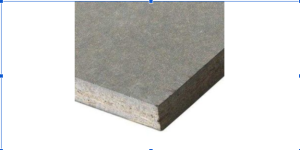
cement boards

Preparing the Substrate Correctly

Using quality materials is only part of the process. Proper installation is equally important to achieve a watertight and durable finish. Begin by inspecting the walls and floor for any movement, uneven areas, or damaged structural components. Any defects should be repaired before installing the substrate. Once the structure is ready, secure the boards using corrosion-resistant screws positioned according to the manufacturer’s recommendations. Correct fixing prevents unnecessary movement and provides a rigid surface for tiling.

Every joint should then be reinforced using alkaline-resistant fibreglass mesh tape before applying a suitable jointing compound. This strengthens the installation and helps reduce the risk of cracking. After the joints are complete, apply a waterproof tanking membrane across the entire surface. Particular attention should be given to corners, floor junctions, pipe penetrations, and shower areas where water exposure is greatest.

Finally, allow the waterproofing system to cure fully before beginning the tiling process. Rushing this stage can reduce the effectiveness of the waterproof barrier and compromise the finished installation. Taking time during preparation creates a much stronger and longer-lasting wet room.

Choosing the Right Tile Backer Boards

Not all tile backer boards are designed for the same purpose. Selecting the correct board depends on where it will be installed and the demands of the project. For wall installations, thinner boards often provide sufficient strength while keeping overall weight to a minimum. Floor installations usually require thicker boards that can withstand regular foot traffic and heavier point loads without flexing.

Many modern tile backer boards are manufactured with textured surfaces that improve the grip of tile adhesives, making installation easier and creating a stronger bond between the substrate and the tiles.

Projects that include underfloor heating may also benefit from insulated tile backer boards, which help reduce downward heat loss and improve heating efficiency. Choosing the appropriate board for each area contributes to a stronger installation and supports the long-term performance of the waterproofing system.
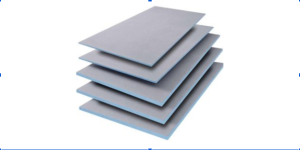
cement boards

Common Mistakes to Avoid

Even the highest-quality materials can fail if installation mistakes are made. Some of the most common errors include:

  • Using standard plasterboard inside shower areas.
  • Failing to reinforce board joints with mesh tape.
  • Applying tiles before the waterproof membrane has fully cured.
  • Assuming tile adhesive alone provides waterproof protection.
  • Using incorrect fixings or inadequate screw spacing.
  • Ignoring movement or unevenness in walls and floors before installation.

Avoiding these mistakes helps protect both the tiled finish and the structure beneath it, reducing the likelihood of future repairs.

Investing in the Right Foundation

The substrate may remain hidden once the project is complete, but it is one of the most important elements of any wet room installation. Every layer above it depends on its strength, stability, and resistance to moisture.

Selecting high-quality cement boards together with suitable tile backer boards provides lasting protection against water damage while supporting the tiles, grout, and adhesive throughout their lifespan. Although quality materials may involve a slightly higher initial investment, they often save significant repair costs in the future.

A properly constructed foundation allows the entire bathroom to perform as intended, giving homeowners confidence that their wet room will remain durable, safe, and visually appealing for many years.

Conclusion

A successful wet room begins with the right preparation beneath the tiles. Choosing suitable substrates, installing reliable cement boards, using quality tile backer boards, and following proper waterproofing procedures all contribute to a durable and dependable installation. By investing in the correct foundation from the start, homeowners can avoid unnecessary maintenance and enjoy long-lasting performance. Insulation Point Limited supplies a comprehensive range of backing boards and installation products to help create wet rooms built for lasting reliability.

A successful wet room installation begins with choosing the correct substrate materials. Because wet rooms are exposed to constant moisture, the foundation must be durable, stable, and resistant to water damage. Selecting the right substrate helps prevent future issues such as leaks, mould growth, and structural deterioration. Whether you are renovating a home or working on a new build, investing in the correct materials from the start ensures your wet room remains safe, attractive, and easy to maintain for years. A solid substrate creates the stability every tiled surface depends on.

The Hidden Problem with Standard Plasterboard in Wet Areas

Many bathroom problems begin beneath the tiles rather than on the surface. Loose tiles, cracked grout, mould, and water damage are often signs that an unsuitable substrate was used during installation.

Standard plasterboard is designed for dry interior spaces and cannot withstand prolonged exposure to water. Even if tiles are securely fixed, moisture can gradually penetrate grout joints and reach the board beneath. Once damp, plasterboard begins to soften, swell, and lose its structural strength. This allows water to spread behind the tiled surface, potentially damaging timber framing, flooring, insulation, and surrounding finishes.

Although moisture-resistant plasterboard performs better in humid rooms, it is not intended for continuously wet environments such as shower enclosures or wet rooms. Relying on it in these areas often leads to costly repairs later.

Using the correct substrate from the outset provides a far more dependable solution and significantly reduces the risk of future moisture-related failures.

Why the Substrate Matters More Than the Tiles

Many homeowners spend considerable time selecting premium tiles but pay little attention to what lies underneath. In reality, the substrate is one of the most important parts of the entire installation.

Tiles, regardless of their quality, require a stable and rigid base. If the substrate flexes, absorbs moisture, or deteriorates over time, the adhesive bond weakens and tiles may crack or become loose. Grout lines can also fail, allowing even more water to penetrate the installation.

A properly prepared substrate supports the tiled finish by providing strength, stability, and a level surface for installation. It also improves the performance of waterproof membranes and tile adhesives, helping every layer work together effectively.

Investing in the foundation rather than focusing solely on decorative finishes ensures the bathroom remains durable long after the installation has been completed.

Why Cement Boards Are the Preferred Choice

Professional installers regularly specify cement boards because they are specifically designed for wet environments. Unlike plasterboard, they do not soften, swell, or deteriorate when exposed to moisture.

Manufactured from cement-based materials, these boards remain dimensionally stable even in areas subjected to regular splashing, steam, and continuous humidity. Their strength makes them suitable for shower enclosures, wet rooms, bathrooms, utility rooms, and other moisture-prone spaces.

Another advantage of cement boards is their compatibility with modern tile adhesives and waterproof tanking systems. Once installed correctly, they provide a secure surface that supports the tiled finish for many years without compromising structural integrity.

Additional benefits include:

  • Excellent resistance to moisture
  • Strong load-bearing performance
  • Reduced movement beneath tiles
  • Long-lasting durability
  • Easy compatibility with waterproof membranes
  • Suitable for both domestic and commercial projects

Although they may cost more than traditional plasterboard, the long-term protection they provide makes them a worthwhile investment. Choosing quality cement boards helps prevent expensive remedial work while giving homeowners confidence that their wet room has been built on a reliable foundation.

cement boards

Preparing the Substrate Correctly

Using quality materials is only part of the process. Proper installation is equally important to achieve a watertight and durable finish. Begin by inspecting the walls and floor for any movement, uneven areas, or damaged structural components. Any defects should be repaired before installing the substrate. Once the structure is ready, secure the boards using corrosion-resistant screws positioned according to the manufacturer’s recommendations. Correct fixing prevents unnecessary movement and provides a rigid surface for tiling.

Every joint should then be reinforced using alkaline-resistant fibreglass mesh tape before applying a suitable jointing compound. This strengthens the installation and helps reduce the risk of cracking. After the joints are complete, apply a waterproof tanking membrane across the entire surface. Particular attention should be given to corners, floor junctions, pipe penetrations, and shower areas where water exposure is greatest.

Finally, allow the waterproofing system to cure fully before beginning the tiling process. Rushing this stage can reduce the effectiveness of the waterproof barrier and compromise the finished installation. Taking time during preparation creates a much stronger and longer-lasting wet room.

Choosing the Right Tile Backer Boards

Not all tile backer boards are designed for the same purpose. Selecting the correct board depends on where it will be installed and the demands of the project. For wall installations, thinner boards often provide sufficient strength while keeping overall weight to a minimum. Floor installations usually require thicker boards that can withstand regular foot traffic and heavier point loads without flexing.

Many modern tile backer boards are manufactured with textured surfaces that improve the grip of tile adhesives, making installation easier and creating a stronger bond between the substrate and the tiles.

Projects that include underfloor heating may also benefit from insulated tile backer boards, which help reduce downward heat loss and improve heating efficiency. Choosing the appropriate board for each area contributes to a stronger installation and supports the long-term performance of the waterproofing system.

cement boards

Common Mistakes to Avoid

Even the highest-quality materials can fail if installation mistakes are made. Some of the most common errors include:

  • Using standard plasterboard inside shower areas.
  • Failing to reinforce board joints with mesh tape.
  • Applying tiles before the waterproof membrane has fully cured.
  • Assuming tile adhesive alone provides waterproof protection.
  • Using incorrect fixings or inadequate screw spacing.
  • Ignoring movement or unevenness in walls and floors before installation.

Avoiding these mistakes helps protect both the tiled finish and the structure beneath it, reducing the likelihood of future repairs.

Investing in the Right Foundation

The substrate may remain hidden once the project is complete, but it is one of the most important elements of any wet room installation. Every layer above it depends on its strength, stability, and resistance to moisture.

Selecting high-quality cement boards together with suitable tile backer boards provides lasting protection against water damage while supporting the tiles, grout, and adhesive throughout their lifespan. Although quality materials may involve a slightly higher initial investment, they often save significant repair costs in the future.

A properly constructed foundation allows the entire bathroom to perform as intended, giving homeowners confidence that their wet room will remain durable, safe, and visually appealing for many years.

Conclusion

A successful wet room begins with the right preparation beneath the tiles. Choosing suitable substrates, installing reliable cement boards, using quality tile backer boards, and following proper waterproofing procedures all contribute to a durable and dependable installation. By investing in the correct foundation from the start, homeowners can avoid unnecessary maintenance and enjoy long-lasting performance. Insulation Point Limited supplies a comprehensive range of backing boards and installation products to help create wet rooms built for lasting reliability.

Related posts

Latest posts

Fencing Loughton – Professional Fence Installation & Garden Fencing

Looking for trusted fencing services in Loughton? MGF Fencing provides professional fence installation, fence repairs, wooden gates and bespoke fencing solutions for homeowners and...

Web Designer Cambridge – Affordable Website Design & SEO Services

If you're searching for a professional web designer in Cambridge, Low Cost Web Designs delivers affordable, high-quality websites that help businesses grow online. Whether...

Affordable Web Design Services in Ipswich

A professional website is one of the most effective ways to promote your business and attract new customers. Whether you're a start-up, sole trader...